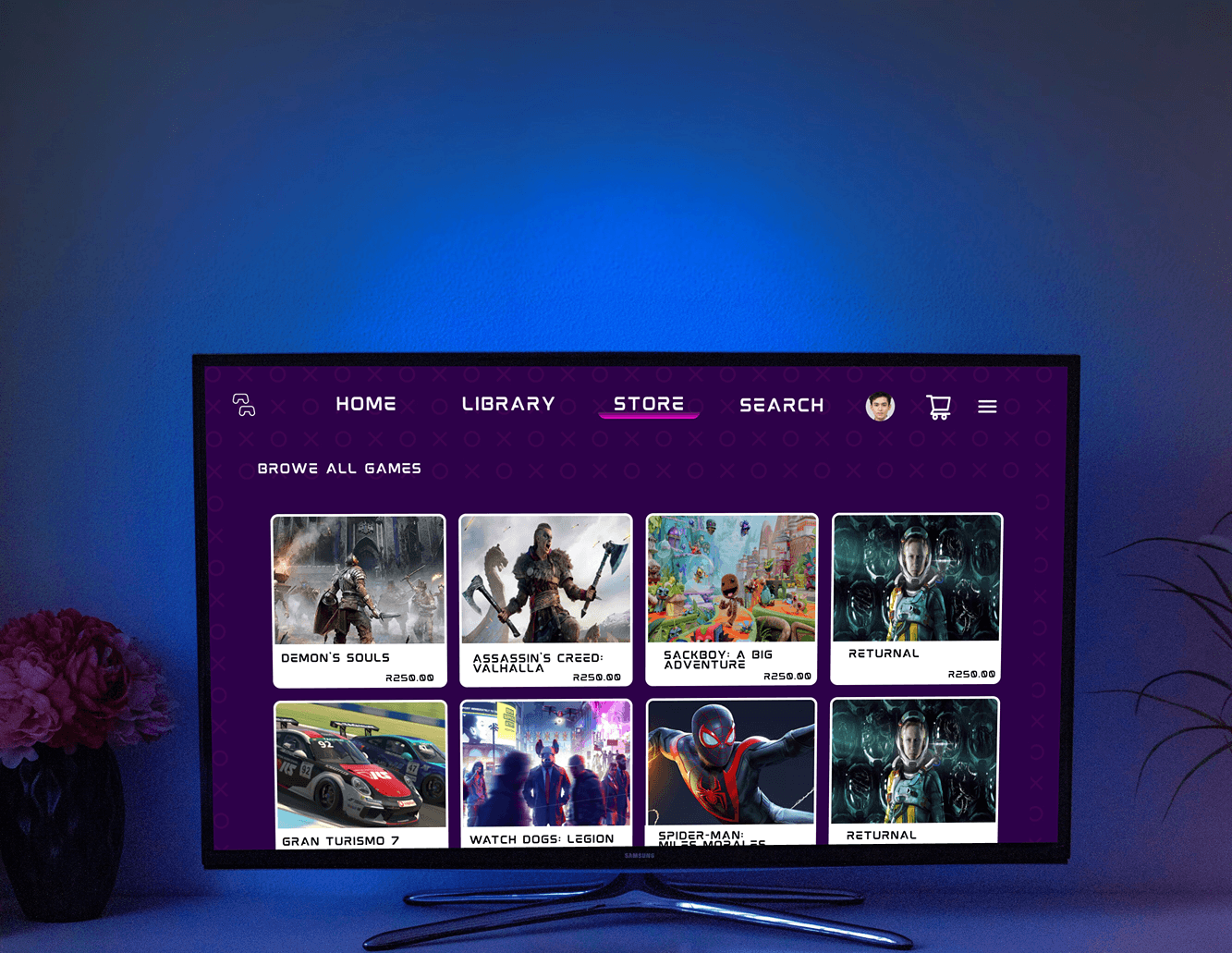
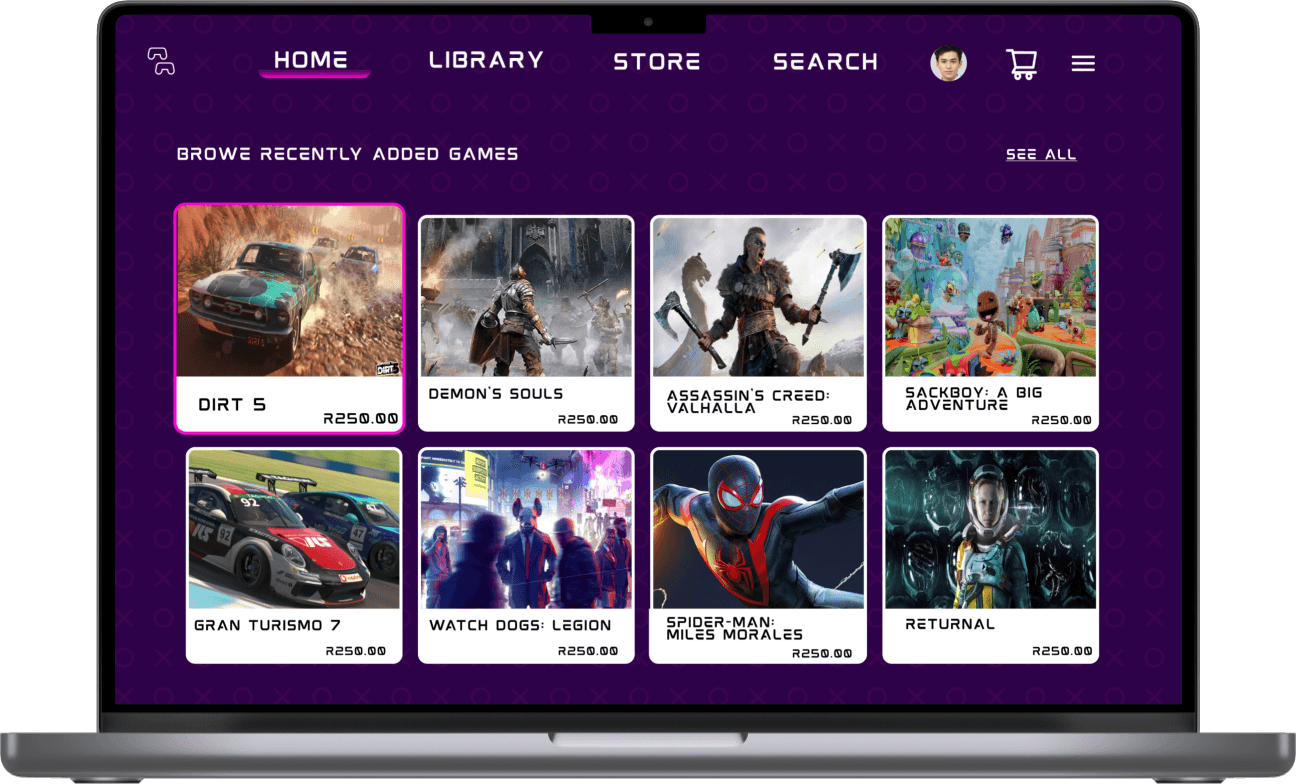
PlayBox Z console
UI design

🎮 PlayBox Z: Designing a User-Centric Gaming Console for Everyone
Introduction
I was tasked with designing a gaming platform that reimagines the console experience — not just for hardcore gamers, but for everyday people too.
Now here’s the twist: I’ve never owned a console. My experience with gaming was limited to mobile, which meant I was stepping into unfamiliar territory.
But that was the opportunity.
Coming in with fresh eyes forced me to listen more, assume less, and design with users — not for them. What follows is the journey from zero to PlayBox Z, a concept for a gaming console that’s inclusive, accessible, and enjoyable for all.
🔍 Research
To better understand the console gaming landscape, I conducted interviews with 6 participants:
1 self-proclaimed pro gamer
3 casual (non-pro) gamers
2 novice gamers (aspiring console owners)
The goal: Identify common pain points and unmet needs in the South African gaming scene.
Key Insights:
Affordability of both the console and games is a priority.
Simplified joystick and navigation UI — current systems feel clunky or confusing.
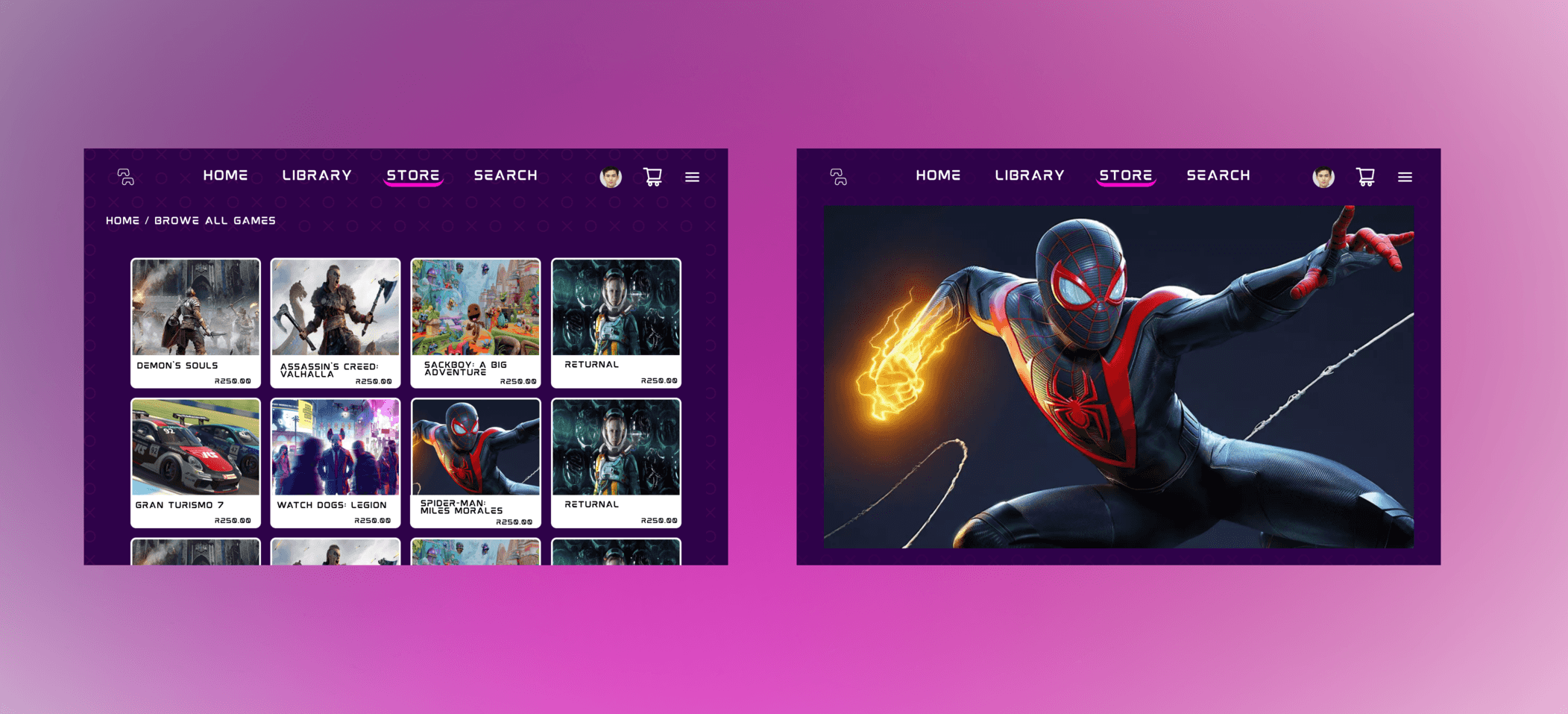
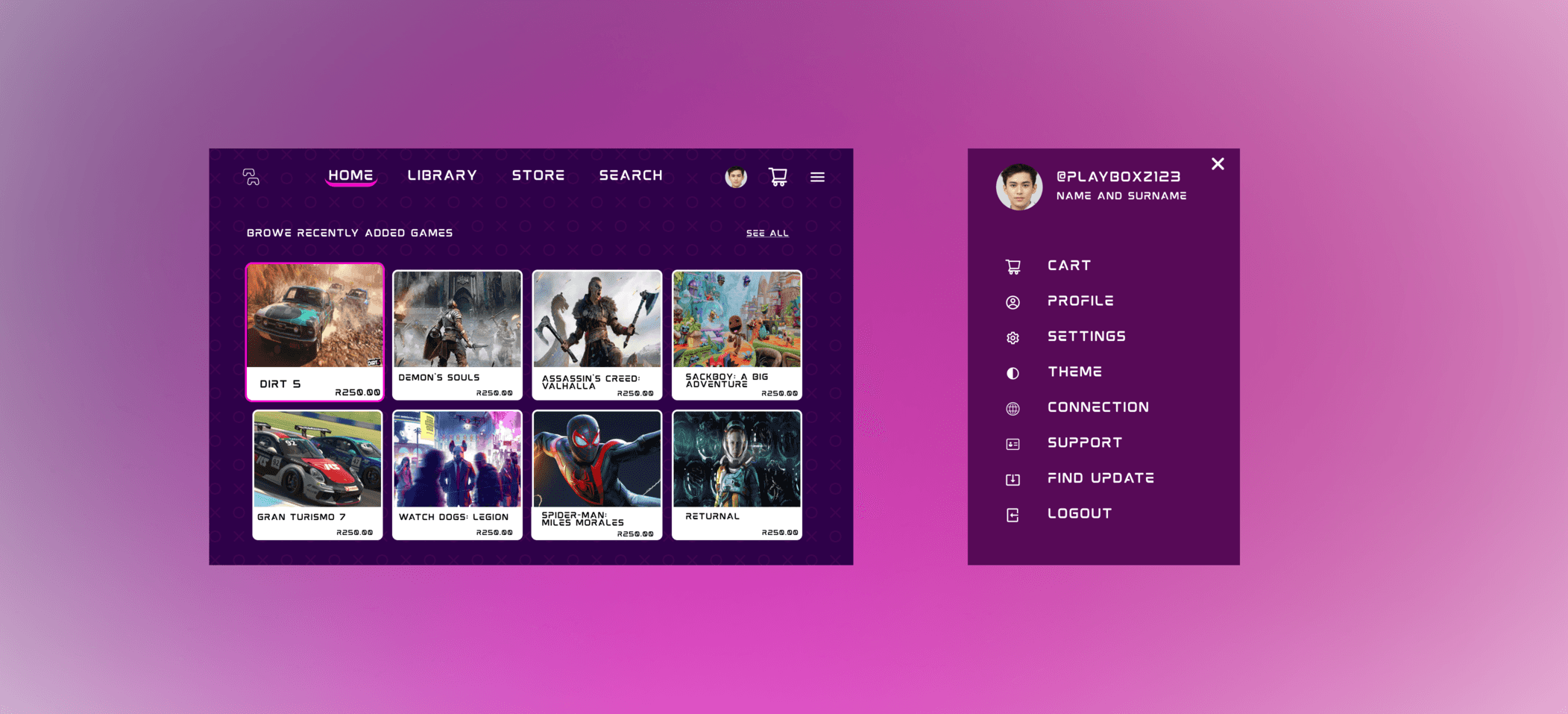
Minimalist interfaces make browsing and buying games easier.
Fast, no-fuss account setup.
Solid technical features that compete with current market leaders.
Accessible design that supports visibility, legibility, and ease of use.
These insights shaped both the product direction and the design principles I’d use.
🧠 UX Framework
To align user needs with usability best practices, I applied Jakob Nielsen’s 10 Usability Heuristics throughout the design process:
Visibility of system status
Match between system and the real world
User control and freedom
Consistency and standards
Error prevention
Recognition over recall
Flexibility and efficiency of use
Aesthetic and minimalist design
Error recognition and recovery
Help and documentation
👤 User Profiles
From the research, I created two primary user personas:
The Casual Explorer – plays occasionally, values ease of use, and wants plug-and-play simplicity.
The Dedicated Dreamer – up-and-coming gamer who wants to build a game library, play online, and fully immerse in the experience without spending a fortune.
These personas grounded all design decisions and kept me focused on real-world use cases.
💡 Ideation & Wireframes
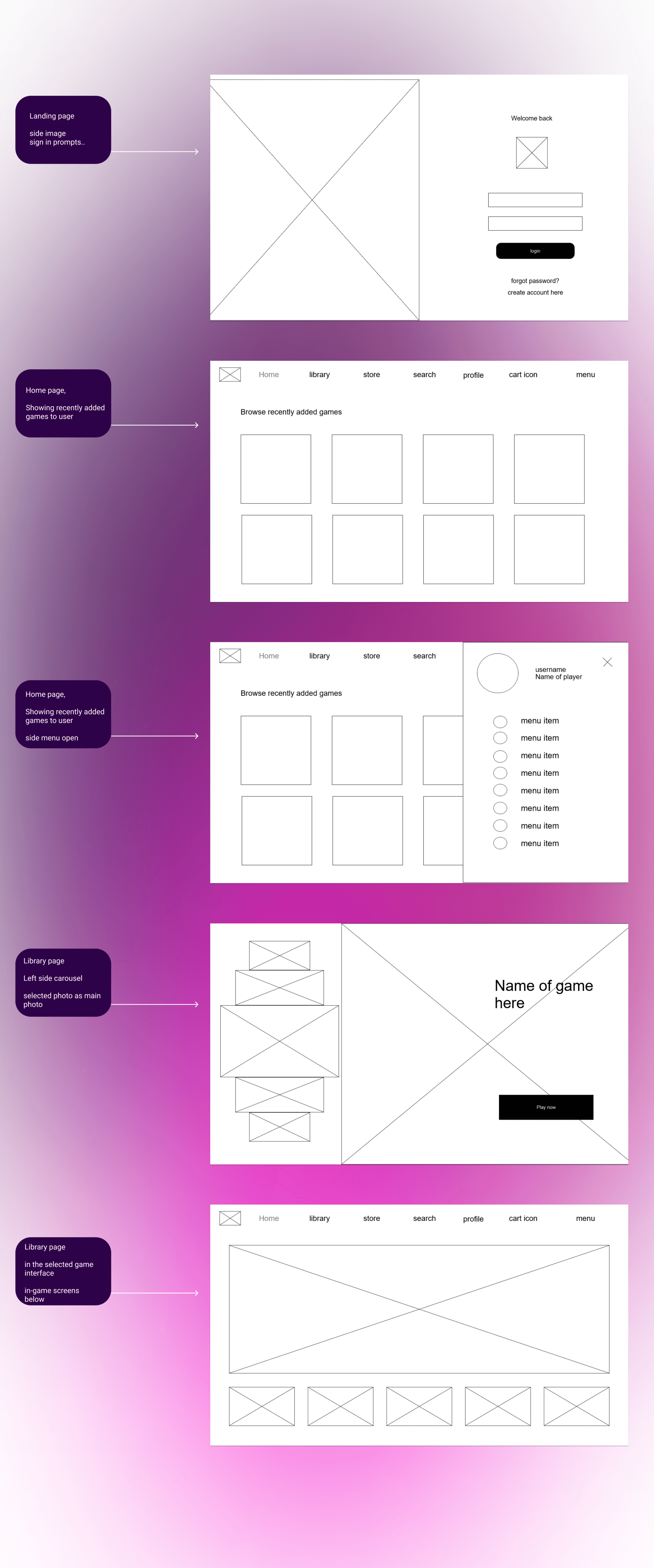
Armed with insights and empathy, I began sketching ideas and wireframes. I focused on:
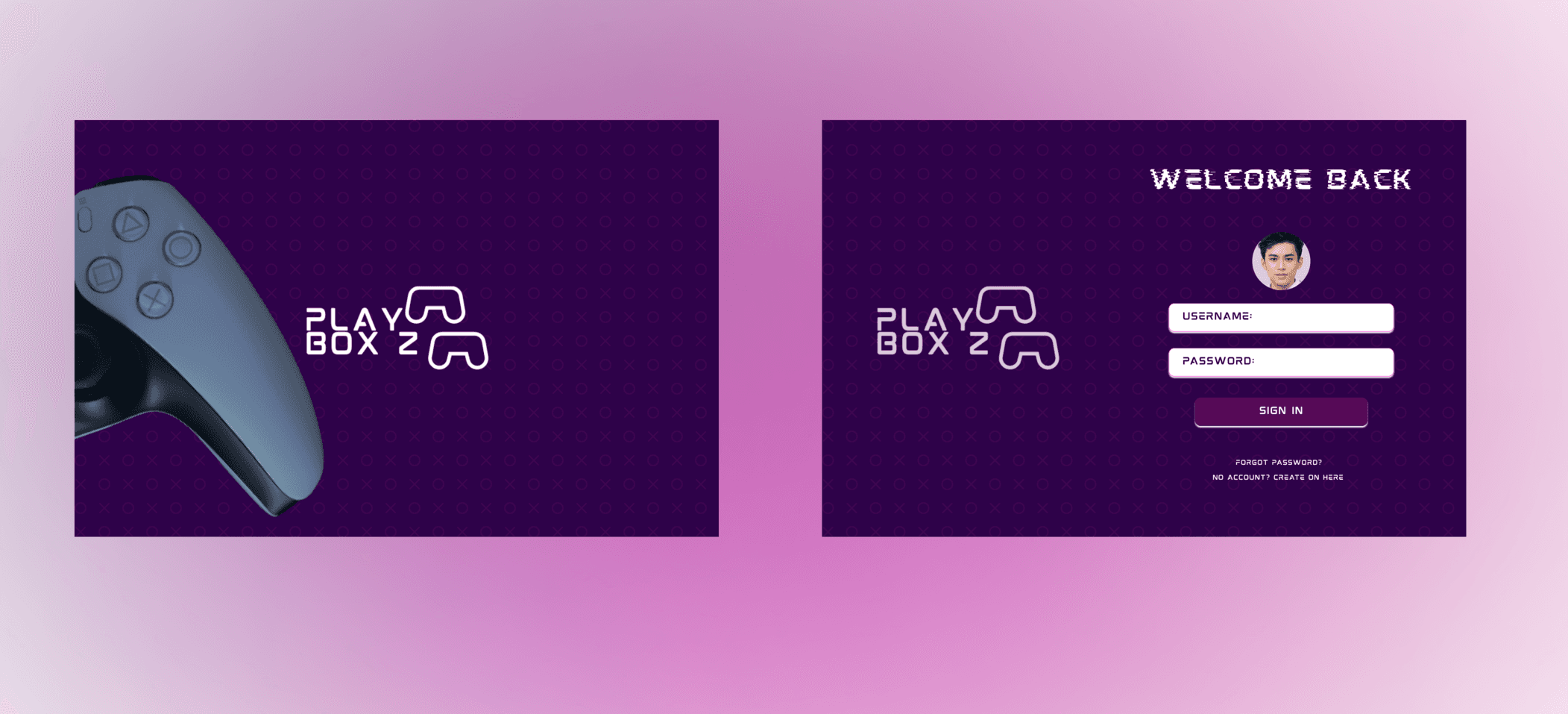
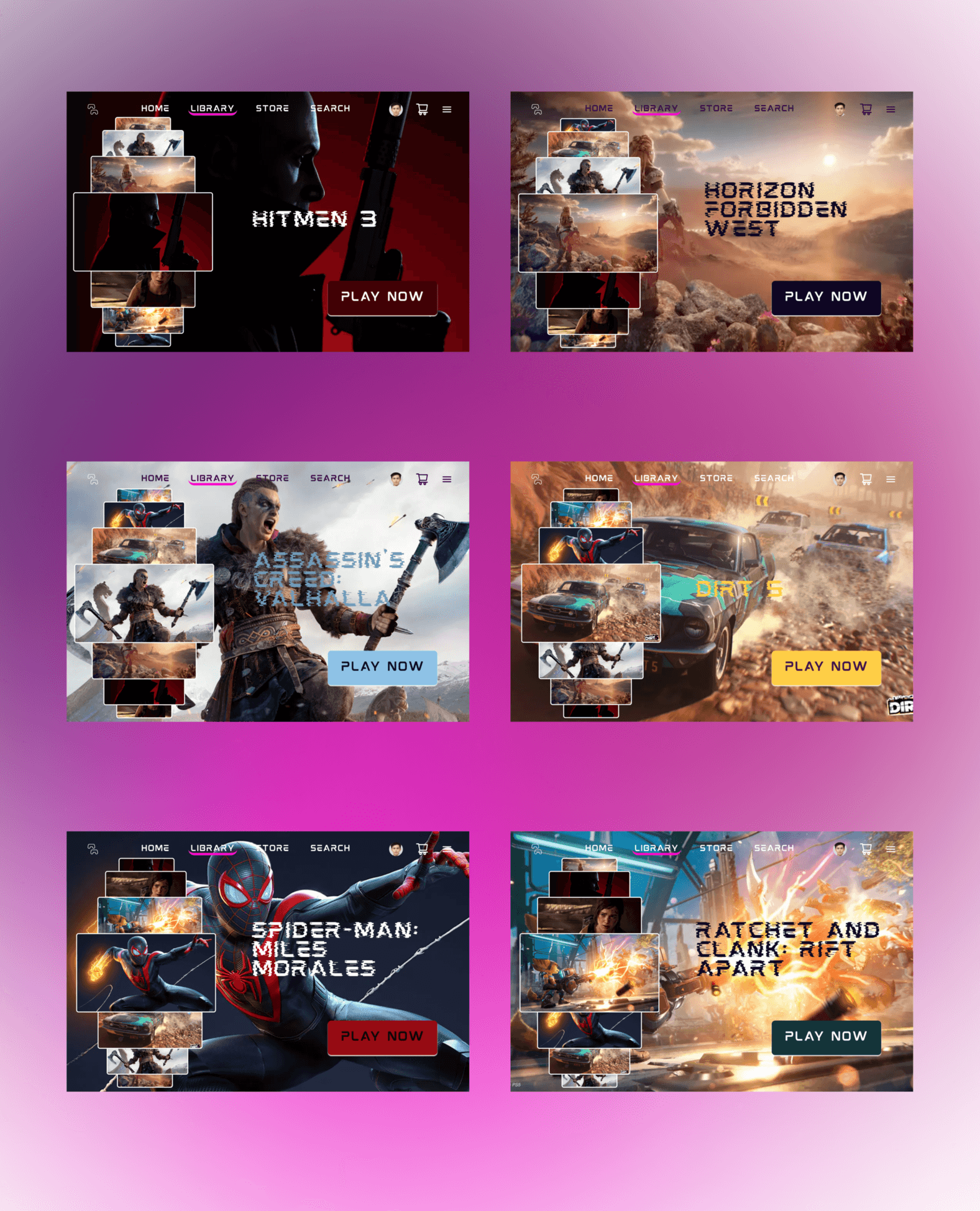
A clear landing experience that helps users find games quickly.
Simple UI flows for downloads, purchases, and settings.
Navigation that makes sense to both newbies and veterans.
🎨 UI Design Choices
Typography
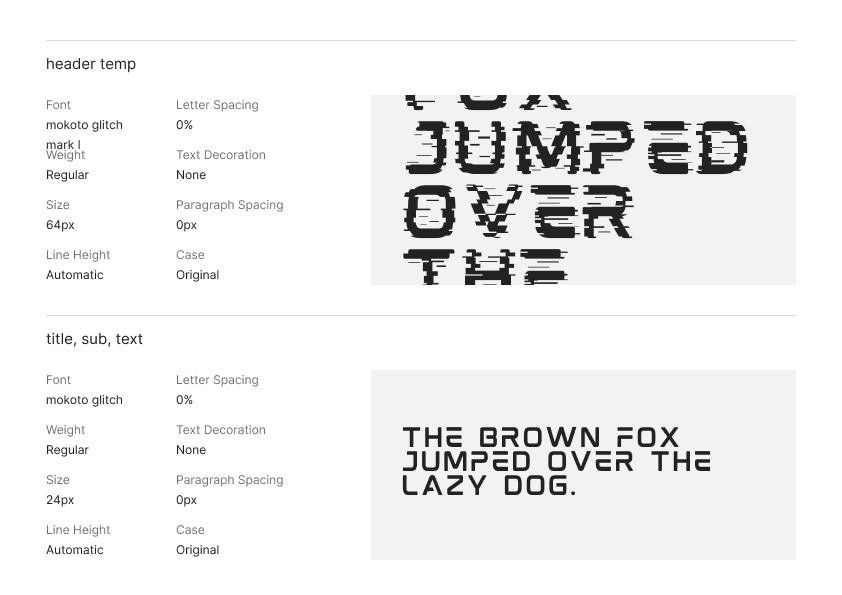
Clean, legible typefaces chosen for readability on both TVs and handheld screens.
Colours
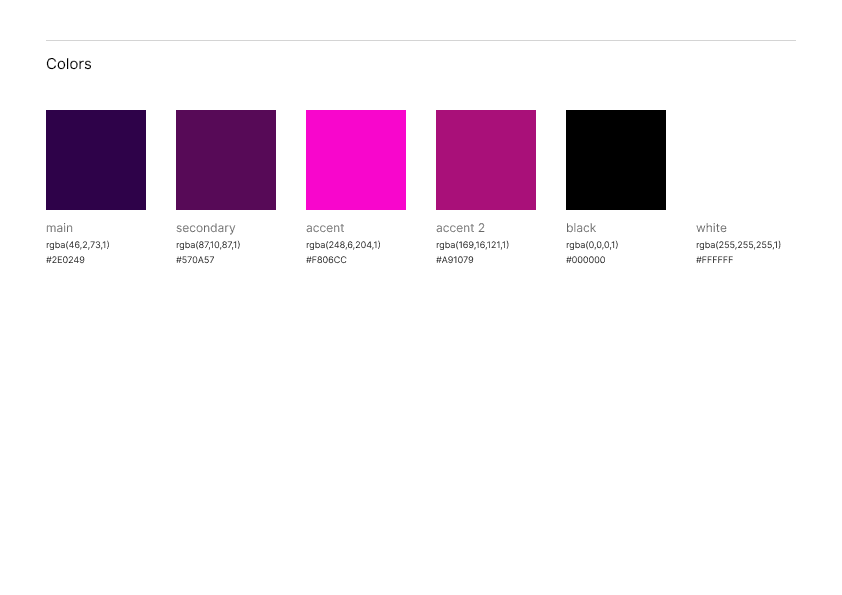
A dark theme was selected to reduce eye strain, with high-contrast text and accent colors to ensure clarity — especially for nighttime play or larger screens.
🧪 Usability Testing
I tested the prototype with 4 users (a mix of my original participant profiles) using qualitative observation.
Scenarios:
Find and play a game
Buy/download a new game
Change username and password
Connect online to play/chat with friends
Key Feedback:
Navigation was smooth and intuitive.
Users found the language familiar and approachable.
Visual hierarchy was clear and legible, even at a distance.
The darker theme was well-received for late-night gaming.
All users said they’d consider switching from their current consoles if PlayBox Z existed.
✅ Outcomes & Learnings
What a journey. Some key takeaways:
User interviews are gold. They guide design far better than assumptions ever could.
You don’t need to be the user — you need to listen to them.
Accessibility isn’t an afterthought; it’s the foundation.
Testing early (even low-fi) saves time and sharpens direction.
Great UX balances user needs with stakeholder goals — both win when done right.
Final Thoughts
PlayBox Z was a leap outside my comfort zone — and that made it even more rewarding. Designing for gamers when you’re not one yourself forces humility, curiosity, and openness. And in my experience, those qualities lead to the best outcomes.